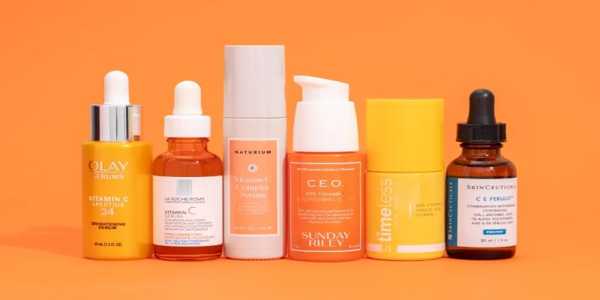
Is your skincare routine doing enough? You cleanse, moisturize, and apply sunscreen every day. But there's always talk about serums, especially Vitamin C serum. Some say it brightens the skin. Others claim it reduces signs of aging. The question is, does it live up to the hype, or is it just another trendy product that overpromises and underdelivers?
Let's take a closer look at what Vitamin C serum does, how it works, and whether it makes a meaningful difference in real, everyday skincare.
Vitamin C serum is a lightweight skincare product that contains concentrated levels of Vitamin C, a well-known antioxidant. It usually comes in a liquid or gel form and is applied directly to the skin after cleansing, but before moisturizing. It has gained popularity not only because of its ingredients, but also because of what it promises—brighter, smoother, and more evenly toned skin.
The most common type of Vitamin C found in these serums is L-ascorbic acid, known for its powerful antioxidant properties. This ingredient is known to combat free radicals—unstable molecules that break down skin cells and accelerate the aging process.
However, popularity doesn't always equate to effectiveness. Let's delve into what it does and whether it's worth a place in your daily routine.
The benefits of Vitamin C serum sound promising, but what are they in real terms?
Vitamin C is best known for its antioxidant power. It helps neutralize free radicals caused by UV exposure, pollution, and even Stress. Over time, these free radicals can damage the skin's surface, break down collagen, and trigger dullness or wrinkles.
Collagen is what keeps your skin firm and youthful. As you age, your natural collagen production slows down. Vitamin C helps stimulate collagen synthesis, which can lead to firmer skin and a reduction in fine lines over time.
Uneven skin tone and dark spots are often caused by sun damage or leftover acne marks. Vitamin C helps reduce the appearance of hyperpigmentation by interfering with the production of melanin, the pigment responsible for those spots. Over time, it can give the skin a brighter and more even tone.

Regular use of Vitamin C can help smooth rough patches. It's not a substitute for exfoliation, but it can help improve overall skin texture by accelerating the turnover of skin cells.
Although it's not a sunscreen, vitamin C can enhance the effectiveness of your sunscreen. When used together, they offer better protection against UV rays and the damage they cause.
Vitamin C serum is suitable for most skin types, including oily, combination, and dry skin. But it's beneficial for those dealing with:
Individuals with sensitive skin should begin with lower concentrations and test for potential irritation. Sometimes, more potent serums (20% or more) can cause tingling or redness, especially if your skin barrier is compromised.
You don't need to use a lot of it. A few drops, taken once a day, preferably in the morning, are often enough. After cleansing and before moisturizing is usually the best time to apply it.
When layering products, the general rule is to apply them from thinnest to thickest. Vitamin C serum is typically applied immediately after toner (if used), and before heavier creams or oils.
Pairing Vitamin C with a sunscreen in the morning helps protect your skin throughout the day and enhances the effectiveness of both products.
Not all serums are created equal. Some lose their strength quickly, while others may not have an adequate concentration of Vitamin C at all. Here are a few things that make a difference:

A serum with 10–20% Vitamin C is usually strong enough to be effective, but not too harsh for most skin types. Beginners may want to start around 10% to avoid irritation.
L-ascorbic acid is the most potent form, but it can be unstable. Other versions, such as magnesium ascorbyl phosphate or ascorbyl glucoside, are more stable and better suited for sensitive skin, although they may be less potent.
Vitamin C breaks down when exposed to light or air. That's why dark glass bottles with airtight pumps are ideal. Avoid transparent or jar packaging, as it often shortens the shelf life.
A serum with a pH level of around 3.5 is best for absorption, mainly if it contains L-ascorbic acid.
Some serums include Vitamin E or ferulic acid, which can help stabilize Vitamin C and improve its absorption. These combinations can boost your results.
Vitamin C is generally safe, but it can cause side effects in some users. You may experience slight tingling when you first apply it. In rare cases, people may experience redness, itching, or peeling, especially with high concentrations or when combined with other active ingredients, such as retinol or exfoliating acids.
It's always a good idea to patch test a new product on a small area of your face before applying it to the entire face. If you're using it in conjunction with other active ingredients, you may want to space them out (for example, use Vitamin C in the morning and retinol at night).
If you're looking for a skincare product that does more than hydrate, Vitamin C serum is worth trying. It's not a magic fix, but it offers well-supported benefits—from brightening skin tone to softening early signs of aging. It fits nicely into most skincare routines, and with consistent use, many see real improvements in skin clarity and texture.
Just ensure you select the correct formulation and use it properly. And always follow it up with sunscreen. That way, you give your skin both protection and glow. It's not about chasing trends—it's about using ingredients that are backed by science and time-tested results. Vitamin C is one of them.